

Introduction: The Digital Pilgrimage Begins with a Search
Every day, millions of people around the world turn to Google to find their spiritual community. They search for “church service times near me,” “mosque prayer times,” “synagogue Shabbat services,” “temple puja timings,” or “Buddhist meditation sessions.” These aren’t casual searches—they’re digital pilgrimages. Each query represents someone seeking connection, meaning, and belonging.
Yet, astonishingly, 58% of churches have zero indexed pages beyond their homepage on Google. This statistic, while focused on churches, reflects a broader reality across religious organizations of all faiths: most places of worship are invisible to the very people searching for them.
The problem isn’t just technical—it’s deeply human. Religious organizations often struggle to balance their sacred mission with the practical demands of digital visibility. They worry that “marketing” feels commercial or that SEO might somehow cheapen their spiritual message. Meanwhile, 72% of churchgoers search for service times, locations, and programs online. The faithful are searching. The question is: can they find you?
This guide bridges that gap. It provides a comprehensive, ethical framework for semantic SEO specifically designed for religious event listings—whether you’re advertising Sunday services, Friday prayers, Shabbat dinners, puja ceremonies, or meditation retreats. More importantly, it shows you how to do this with respect, sensitivity, and cultural awareness.
Semantic SEO is the practice of optimizing content based on meaning, intent, and context, rather than just specific keywords. For religious organizations, this means helping search engines understand not just what you do, but who you serve, why it matters, and how seekers can participate. It means speaking the language of faith while respecting the sacred.
In this guide, you will learn:
- What semantic SEO is and why it’s essential for religious event visibility
- How to create titles and descriptions that are respectful, clear, and searchable
- Practical, faith-specific examples across five major religious traditions
- How to implement schema markup for events, services, and prayer times
- Ethical guidelines for avoiding offensive or ambiguous language
- How to optimize for Google Discover, voice search, and AI-powered search
- A complete implementation roadmap for your organization
Whether you manage a cathedral, a mosque, a synagogue, a temple, or a meditation center, this guide will help you reach the seekers who need you most—without compromising your values or alienating your community.
Part 1: Understanding Semantic SEO for Religious Events
1.1 What Is Semantic SEO?
Semantic SEO is an approach that goes beyond traditional keyword optimization. Instead of focusing solely on individual keywords, it optimizes content around topics, user intent, and meaning. Google’s algorithms—including Hummingbird, RankBrain, BERT, Neural Matching, and MUM—now interpret the meaning behind searches, not just the words themselves.
For religious organizations, this is transformative. When someone searches “church near me,” they’re not just looking for a building—they’re looking for a community, a spiritual home, a place to belong. Semantic SEO helps your website communicate that deeper meaning to search engines.
Key components of semantic SEO for religious events:
| Component | Description | Religious Example |
|---|---|---|
| Search Intent | Understanding why someone searches | “Sunday service times” = transactional (seeking to attend) |
| Topic Authority | Covering subjects comprehensively | Full event calendar, not just one service time |
| Entity Recognition | Connecting to recognized concepts | Linking to your denomination, tradition, or faith |
| Contextual Relevance | Fitting within broader conversations | Connecting services to holidays, seasons, community events |
| User Experience | Creating genuinely helpful content | Clear, mobile-friendly event information |
1.2 Why Semantic SEO Matters for Religious Organizations
The Search Reality
Consider these statistics:
- 72% of churchgoers search for service times, locations, and programs online
- 58% of churches have zero indexed pages beyond their homepage
- 74% of consumers prefer searching in natural language rather than with traditional keywords
- Ranking for primary services typically takes 4-6 months depending on local competition
The gap between what seekers need and what religious organizations provide online is enormous—and it’s an opportunity.
Faith-Based Seekers Want Connection, Not Just Information
When someone searches for a religious event, they’re not just looking for a date and time. They’re seeking:
- Community: A place where they belong
- Meaning: Spiritual depth and purpose
- Welcome: Assurance that they’ll be accepted
- Convenience: Practical information they can act on
- Trust: Confidence that this is a legitimate, safe community
Semantic SEO aligns your content with these deeper needs. As one guide notes, “When individuals search for keywords associated with your faith or community, having a higher rank ensures that they find you first. A well-executed SEO strategy not only drives traffic but also builds credibility”.
The E-E-A-T Factor
Google’s quality guidelines emphasize E-E-A-T: Experience, Expertise, Authoritativeness, and Trustworthiness. For religious organizations, this means demonstrating:
- Experience: Real community engagement and pastoral care
- Expertise: Knowledge of your faith tradition and practices
- Authoritativeness: Recognition within your religious community
- Trustworthiness: Transparency, safety, and ethical conduct
Your event listings are a primary way Google assesses these qualities.
1.3 The Cost of Generic Event Listings
When you publish an event with a generic title like “Sunday Service” or “Prayer Meeting,” you’re:
- Missing search intent: Users searching for specific times or locations won’t find you
- Competing with thousands of identical listings: Generic titles are invisible
- Failing to build topical authority: Google doesn’t see you as a comprehensive resource
- Losing the emotional connection: Your listing doesn’t resonate with seekers
- Missing rich result opportunities: Generic listings don’t trigger enhanced search displays
As one expert explains, “Google doesn’t ‘see’ your website the way a person does. A human visitor lands on your homepage and immediately understands: this is a church, here’s when they meet, here’s where they’re located. Google? It sees code. Text. Links”. Semantic SEO fixes this communication gap.
Part 2: The Five-Faith Framework—From Generic to Semantic
Below, we examine how to apply semantic SEO principles across five major religious traditions. For each, we compare the common (ineffective) approach with the semantic (strategic) approach across four critical ad components: Title, Description, Category, and Ad Type.
2.1 Christianity: Sunday Worship Services
Event Example: Weekly Sunday worship service with communion.
| Field | Common Approach (Ineffective) | Semantic Approach (Strategic) |
|---|---|---|
| Title | Sunday Service | Sunday Worship Service at [Church Name] – 10:00 AM Traditional & 11:30 AM Contemporary |
| Description | Sunday service at our church. All are welcome. Come join us. | Join us for uplifting Sunday worship at [Church Name]. Choose between our traditional 10:00 AM service with hymns and organ music, or our contemporary 11:30 AM service with a live band and modern worship. Both services include Holy Communion, inspiring sermons, and a warm welcome for all ages. Children's ministry and nursery care available. Located at [Address]. We can't wait to meet you! |
| Category | Religious Services | Christianity > Worship Services > Sunday Services |
| Ad Type | Event | Event + Content (Welcome Guide for First-Time Visitors) |
Semantic Analysis:
The generic approach (“Sunday Service”) tells seekers nothing unique. The semantic approach:
- Specifies times and styles (Traditional vs. Contemporary) to match different preferences
- Includes details (communion, children’s ministry, nursery) that answer practical questions
- Adds warmth and welcome (“We can’t wait to meet you!”)
- Provides location for local SEO
- Differentiates from other churches in the area
Search queries this captures:
- “Sunday church service near me”
- “Contemporary worship services [city]”
- “Church with children’s ministry [city]”
- “Traditional hymns church [city]”
Semantic Keywords to Target:
- Sunday worship, service times, traditional service, contemporary service
- Holy Communion, sermon, children’s ministry, nursery
- Welcome, visitors, new members, community
2.2 Islam: Friday Jummah Prayers
Event Example: Weekly Friday congregational prayer (Jummah) with khutbah (sermon).
| Field | Common Approach (Ineffective) | Semantic Approach (Strategic) |
|---|---|---|
| Title | Jummah Prayer | Jummah (Friday) Congregational Prayer at [Mosque Name] – Khutbah at 1:00 PM, Prayer at 1:30 PM |
| Description | Friday Jummah prayer. All Muslims welcome. Come for salah. | Join the Muslim community for Jummah (Friday) congregational prayer at [Mosque Name]. The khutbah (sermon) begins at 1:00 PM, followed by the congregational prayer at 1:30 PM. All are welcome—brothers and sisters. Prayer facilities available for men and women. Ample parking. Wheelchair accessible. Please arrive early for the best seating. Jazakallah Khair. |
| Category | Islamic Services | Islam > Congregational Prayers > Jummah (Friday) Prayers |
| Ad Type | Event | Event + Content (Guide to Jummah Prayer: What to Expect) |
Semantic Analysis:
The generic approach fails to provide critical information. The semantic approach:
- Specifies exact times for khutbah and prayer
- Includes practical details (parking, accessibility, women’s facilities)
- Uses appropriate Islamic terminology (khutbah, salah, Jazakallah Khair)
- Welcomes all while respecting Islamic practices
- Provides guidance for those unfamiliar with Jummah
Search queries this captures:
- “Jummah prayer times near me”
- “Friday prayer [city]”
- “Mosque near me”
- “Jummah khutbah time”
Semantic Keywords to Target:
- Jummah, Friday prayer, congregational prayer
- Khutbah, sermon, mosque, masjid
- Prayer times, salah, Muslim community
- Brothers and sisters, prayer facilities
2.3 Judaism: Shabbat Services
Event Example: Weekly Friday evening Shabbat service and Saturday morning Torah study.
| Field | Common Approach (Ineffective) | Semantic Approach (Strategic) |
|---|---|---|
| Title | Shabbat Services | Shabbat Evening Service & Kiddush – Friday 6:00 PM at [Synagogue Name] |
| Description | Join us for Shabbat services. All are welcome. | Welcome Shabbat with our community at [Synagogue Name]. Our Friday evening service begins at 6:00 PM, followed by a communal Kiddush (oneg Shabbat) with refreshments and fellowship. Saturday morning services begin at 9:30 AM, featuring Torah reading, Haftarah, and a D'var Torah (sermon). All are welcome—regardless of background or level of observance. Come as you are. |
| Category | Jewish Services | Judaism > Shabbat Services > Friday Evening & Saturday Morning |
| Ad Type | Event | Event + Content (Shabbat Guide for Beginners) |
Semantic Analysis:
The semantic approach demonstrates cultural and religious literacy:
- Includes Hebrew terms (Kiddush, oneg Shabbat, Haftarah, D’var Torah)
- Specifies both Friday and Saturday schedules
- Welcomes all backgrounds (“regardless of level of observance”)
- Describes the experience (Torah reading, fellowship, refreshments)
- Reduces anxiety for newcomers (“Come as you are”)
Search queries this captures:
- “Shabbat services near me”
- “Synagogue Friday night service”
- “Torah study [city]”
- “Jewish community [city]”
Semantic Keywords to Target:
- Shabbat, Sabbath, Friday evening service
- Kiddush, oneg Shabbat, fellowship
- Torah reading, Haftarah, D’var Torah
- Synagogue, temple, Jewish community
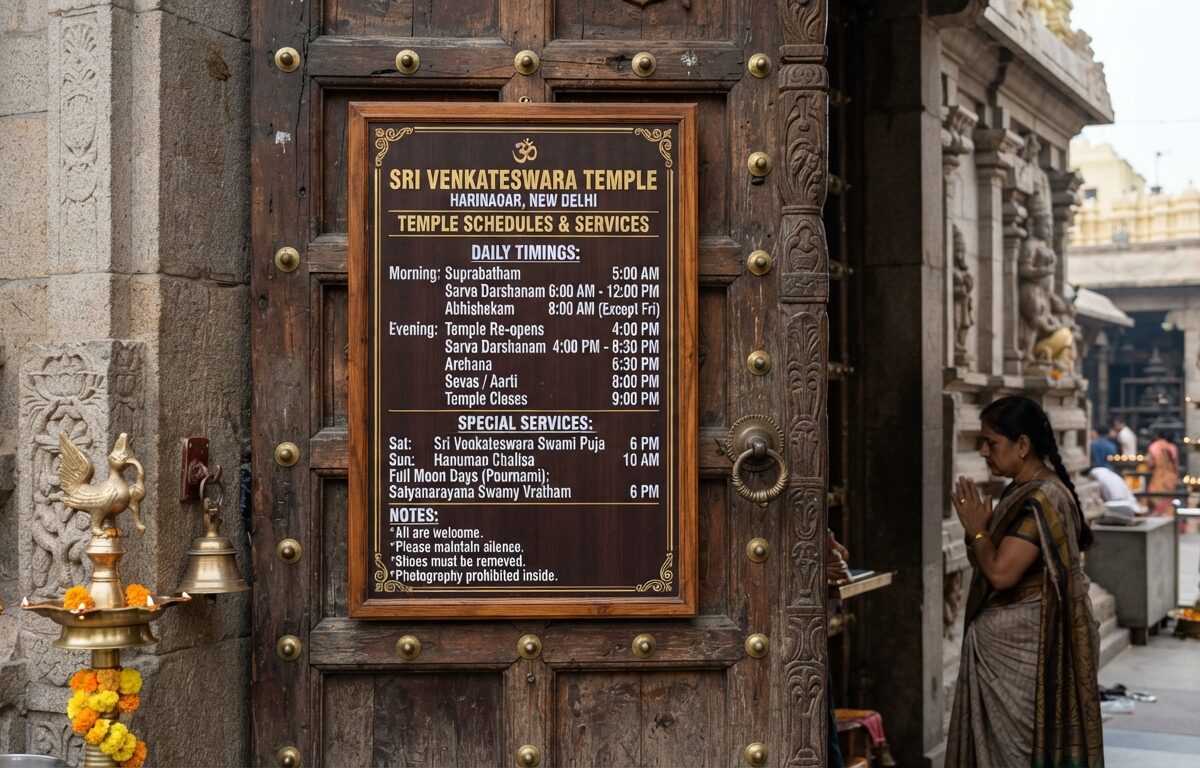
2.4 Hinduism: Temple Puja and Aarti
Event Example: Daily puja (worship) ceremonies and special festival celebrations.
| Field | Common Approach (Ineffective) | Semantic Approach (Strategic) |
|---|---|---|
| Title | Temple Puja | Daily Puja & Aarti at [Temple Name] – Morning 7:00 AM, Evening 6:30 PM |
| Description | Daily puja at the temple. All devotees welcome. | Experience the divine at [Temple Name] with our daily puja and aarti ceremonies. Morning puja begins at 7:00 AM with abhishekam (ritual bathing) and mantra chanting. Evening aarti at 6:30 PM features the spectacular waving of lamps, bhajans (devotional songs), and prasadam distribution. Special festival celebrations throughout the year—check our calendar for Navratri, Diwali, and Ganesh Chaturthi. All are welcome, regardless of background. |
| Category | Hindu Services | Hinduism > Puja & Aarti > Daily Ceremonies & Festivals |
| Ad Type | Event | Event + Content (Guide to Temple Etiquette for First-Time Visitors) |
Semantic Analysis:
The semantic approach respects Hindu traditions while being accessible:
- Uses appropriate Sanskrit terms (puja, aarti, abhishekam, bhajans, prasadam)
- Specifies morning and evening times
- Lists major festivals (Navratri, Diwali, Ganesh Chaturthi)
- Describes the experience (lamp waving, chanting, songs)
- Welcomes all backgrounds
Search queries this captures:
- “Hindu temple near me”
- “Aarti timings [city]”
- “Temple puja schedule”
- “Diwali celebration [city]”
Semantic Keywords to Target:
- Puja, aarti, temple, mandir
- Abhishekam, mantra chanting, bhajans
- Prasadam, offerings, worship
- Navratri, Diwali, Ganesh Chaturthi
2.5 Buddhism: Meditation and Dharma Talks
Event Example: Weekly meditation sessions and Dharma teachings.
| Field | Common Approach (Ineffective) | Semantic Approach (Strategic) |
|---|---|---|
| Title | Meditation Session | Mindfulness Meditation & Dharma Talk – Wednesday 7:00 PM at [Center Name] |
| Description | Weekly meditation. All are welcome. | Cultivate peace and presence with our weekly meditation and Dharma gathering at [Center Name]. Each Wednesday evening begins with a guided mindfulness meditation at 7:00 PM, followed by a Dharma talk (teaching) on Buddhist principles for daily living. No experience necessary—beginners warmly welcomed. Sitting cushions and chairs available. Donations appreciated but not required. Come find your calm. |
| Category | Buddhist Services | Buddhism > Meditation & Teachings > Weekly Gatherings |
| Ad Type | Event | Event + Content (Meditation Guide for Beginners) |
Semantic Analysis:
The semantic approach balances Buddhist tradition with accessibility:
- Uses appropriate terms (Dharma, mindfulness, Buddhist principles)
- Specifies format (guided meditation + teaching)
- Welcomes beginners (“No experience necessary”)
- Provides practical details (cushions, chairs, donations)
- Offers emotional resonance (“Come find your calm”)
Search queries this captures:
- “Meditation near me”
- “Buddhist center [city]”
- “Mindfulness class [city]”
- “Dharma talk [city]”
Semantic Keywords to Target:
- Meditation, mindfulness, Dharma
- Buddhist teachings, guided meditation
- Peace, presence, calm
- Beginners welcome, meditation center
Part 3: Ethical Guidelines for Religious Event Advertising
3.1 The Foundation: Respect and Sensitivity
Advertising religious events requires a unique ethical framework. Unlike commercial advertising, religious promotion involves sacred beliefs, deeply held values, and vulnerable seekers. The Advertising Standards Authority (ASA) provides clear guidance: “Marketers must take care not to cause serious or widespread offence when using religious references in their campaigns”.
Key Ethical Principles:
| Principle | Description | Application |
|---|---|---|
| Respect | Honor the sacred nature of religious practices | Never mock or trivialize rituals, symbols, or beliefs |
| Accuracy | Provide correct, verified information | Double-check times, dates, and location details |
| Inclusivity | Welcome all while respecting tradition | Use inclusive language without diluting faith identity |
| Transparency | Be clear about what to expect | Describe the experience accurately |
| Sensitivity | Consider diverse perspectives | Avoid language that might alienate or offend |
3.2 What to Avoid: Offensive and Ambiguous Language
Avoid Mocking or Trivializing Sacred Elements
The ASA warns: “If an ad appears to mock a religious belief or central tenet of a religion then it’s likely to be considered offensive”. Examples of problematic content include:
- Mocking depictions of sacred figures or symbols
- Trivializing sacred rituals or festivals
- Using religious language in sexual or inappropriate contexts
- Dismissive or irreverent treatment of sacred texts
Avoid Exclusionary Language
Google’s policies emphasize that “we value diversity and respect for others and strive to avoid offending users”. Religious organizations should:
- Avoid language that excludes users of different religions
- Not segment by specific religions or beliefs in a way that excludes
- Use welcoming, inclusive phrasing while maintaining faith identity
Avoid Clickbait and Sensationalism
Google Discover guidelines specifically warn against “clickbait or similar tactics to increase engagement”. For religious organizations:
- Use page titles that summarize the nature of the content
- Avoid misleading or exaggerated details in titles, snippets, or images
- Don’t use shocking content that might confuse or offend readers
3.3 Navigating Cultural and Religious Sensitivities
Christianity: Common Culture, But Caution Required
Christianity is often integrated into mainstream culture, and “the public tends to be tolerant of reference to them in advertising”. However, caution is still needed. “Quotes from hymns and the Bible and religious imagery are usually acceptable except where their use is mocking or denigratory”.
Non-Christian Faiths: Greater Sensitivity Required
“Marketers should treat the symbols, images and beliefs of all religions with care but should be particularly aware of the possibility that references to non-Christian religions may be more likely to cause serious or widespread offence”.
For Islamic, Jewish, Hindu, Buddhist, and other non-Christian traditions:
- Research proper terminology and practices
- Consult with community members when unsure
- Avoid casual or humorous treatment of sacred elements
- Be especially careful with depictions of sacred figures
3.4 Best Practices for Respectful Religious Event Titles
DO:
- Use specific, clear language that describes the event accurately
- Include the faith tradition and denomination when relevant
- Use proper religious terminology (with correct spelling)
- Welcome all while respecting tradition
- Provide practical details (time, location, accessibility)
DON’T:
- Use ambiguous or vague titles (“Service,” “Meeting,” “Prayer”)
- Mock or trivialize sacred elements
- Use clickbait or sensational language
- Exclude or alienate potential attendees
- Make light of deeply held beliefs
Example Comparison:
| Problematic Title | Respectful Alternative |
|---|---|
| “Come Get Saved!” | “Sunday Worship Service – All Are Welcome” |
| “Free Prayer Fix” | “Community Prayer Gathering – Wednesday 7:00 PM” |
| “The Ultimate Spiritual Experience” | “Meditation & Dharma Talk – Cultivate Peace and Presence” |
Part 4: Technical SEO for Religious Event Listings
4.1 Schema Markup: The Foundation of Semantic Event SEO
Schema markup is structured code that helps search engines understand exactly what your content means. As one expert explains, “Schema markup is a snippet of code you add to your website that tells search engines exactly what your content means. Not what it says. What it means”.
For religious events, schema markup is essential because it resolves ambiguity. When your page says “Sunday Service at 10am,” Google sees text. With schema, you’re telling Google: “This is a religious event. It’s a worship service. It happens on Sunday at 10:00 AM. Here’s the location. Here’s the denomination”.
Why Schema Matters for Religious Events:
4.2 Essential Schema Types for Religious Events
Event Schema
The Event schema is the most important for religious service listings. As one guide notes, “Event schema can trigger rich results that show your service times and special events directly in search results”.
Key properties for Event schema:
json
{
  "@context": "https://schema.org",
  "@type": "Event",
  "name": "Sunday Worship Service",
  "description": "Traditional worship service with hymns, communion, and sermon.",
  "startDate": "2026-07-14T10:00:00-05:00",
  "endDate": "2026-07-14T11:30:00-05:00",
  "location": {
    "@type": "Place",
    "name": "First Community Church",
    "address": "123 Main Street, Anytown, USA"
  },
  "organizer": {
    "@type": "Organization",
    "name": "First Community Church"
  },
  "offers": {
    "@type": "Offer",
    "price": "0",
    "priceCurrency": "USD"
  },
  "typicalAgeRange": "0-100"
}
Additional Schema Types:
| Schema Type | Purpose | Religious Example |
|---|---|---|
| Event | Primary event information | Worship services, prayer times, festivals |
| Place | Location details | Church, mosque, synagogue, temple |
| Organization | Organization information | Denomination, leadership, mission |
| FAQ | Frequently asked questions | “What should I wear?”, “Is childcare available?” |
Special Considerations for Recurring Events
For events that occur regularly (weekly services, daily prayers), use the Event schema with the eventSchedule property or create separate Event entries for each occurrence. Schema.org‘s “Sunday” type can be used for events that occur every Sunday.
For Islamic prayer times, which vary daily, consider dynamic schema generation based on calculated prayer times. As one guide recommends for mosques: “Feature real-time prayer times synced by location”.
4.3 Google Business Profile Optimization
Google Business Profile (formerly Google My Business) is critical for local discoverability. “Google lets you set special hours for holidays and events. This is different from your regular service times. When someone searches for your church around a holiday, Google will display these special hours prominently”.
Optimization Checklist:
- Complete all sections: service times, address, contact information, overview
- Add ministry photos and event images
- Set special hours for holidays and special events
- Encourage and respond to Google reviews from community members
- Post regularly about upcoming events and services
Important Note: “Google doesn’t have a segment labeled ‘Mass times,’ ‘Prayer times,’ or ‘Worship services'”. Use the “Opening Hours” section creatively to display service times, or use Posts to share event information.
4.4 On-Page SEO for Religious Event Pages
Every church web page should highlight service times, location, sermons, ministries, upcoming church events, online giving, and a prayer request form. This principle applies across all religious traditions.
Essential On-Page Elements:
| Element | Best Practice | Religious Example |
|---|---|---|
| Title Tag | Include location, service type, and key details | “Sunday Worship Service at First Church – 10:00 AM” |
| Meta Description | Summarize what to expect | “Join us for uplifting worship, inspiring sermons, and community fellowship. All are welcome!” |
| H1 Headline | Clear, descriptive, welcoming | “Welcome to Sunday Worship at First Church” |
| Service Times | Prominently displayed, easy to find | “Sunday: 10:00 AM Traditional, 11:30 AM Contemporary” |
| Location | Full address with embedded map | “123 Main Street, Anytown, USA” |
| Accessibility | Include accessibility information | “Wheelchair accessible. Hearing assistance available.” |
| Contact | Phone, email, social media links | “Contact us at (555) 123-4567” |
4.5 Content Strategy for Religious Event Visibility
Document Every Service
“Google can’t rank you for services you haven’t documented. Write down every service your organization offers”. For religious organizations, this includes:
- Regular worship services (Sunday, Friday, Saturday, daily)
- Prayer times and gatherings
- Study groups and classes
- Community outreach programs
- Special events and festivals
- Youth and children’s programs
- Counseling and support groups
Create Seasonal Content
“A seasonal SEO calendar for churches plus step-by-step playbook for ranking during Easter, Christmas, and holiday search spikes”. Apply this across all faiths:
- Christianity: Advent, Christmas, Lent, Easter, Pentecost
- Islam: Ramadan, Eid al-Fitr, Eid al-Adha, Hajj season
- Judaism: Rosh Hashanah, Yom Kippur, Passover, Hanukkah
- Hinduism: Diwali, Navratri, Ganesh Chaturthi, Holi
- Buddhism: Vesak, Dharma Day, Bodhi Day
Create dedicated pages for each holiday with specific times, traditions, and welcome information.
Build Content That Serves Both Seekers and Members
“Great SEO means creating valuable content. A church web page should highlight service times and location right on the homepage, sermons, ministry and activity pages with clear next steps, events calendar, prayer request forms”.
Part 5: Social Media Strategy for Religious Events
5.1 The Role of Social Media in Religious Event Promotion
Social media serves a unique function for religious organizations. Unlike commercial advertising, religious social media is about community building, spiritual encouragement, and practical information sharing.
Strategic Functions by Platform:
| Platform | Primary Function | Content Examples |
|---|---|---|
| Community hub, event promotion | Event pages, live streams, group discussions | |
| Visual storytelling, inspiration | Photos of services, community activities, inspirational quotes | |
| YouTube | Sermon archive, teaching platform | Recorded services, teachings, guided meditations |
| TikTok | Short-form inspiration, reaching youth | Brief spiritual insights, community highlights |
| X (Twitter) | Real-time updates, announcements | Service reminders, prayer requests, news |
5.2 Best Practices for Religious Social Media
Be Consistent, Not Commercial
“Regularly share engaging content, including inspirational messages, updates about upcoming events, and behind-the-scenes glimpses of your community”. The goal is connection, not sales.
Align with the Religious Calendar
Post content that aligns with the liturgical or religious calendar. This demonstrates cultural awareness and provides timely, relevant information.
Use Visuals Thoughtfully
“Use compelling headlines, be entity-driven, and use large (1200px+) images”. Visual content is essential for engagement, but ensure images are respectful and appropriate.
Engage Authentically
Respond to comments, answer questions, and create a welcoming online presence. Social media is often the first point of contact for seekers.
5.3 Content Ideas for Religious Social Media
Educational Content:
- “What to Expect at Your First Visit”
- “Understanding Our Traditions”
- “How to Participate in [Ritual/Practice]”
Inspirational Content:
- Quotes from sacred texts
- Community member stories
- Beautiful images of your space
Practical Content:
- Service time reminders
- Event announcements
- Parking and accessibility information
- Live stream links
Community Content:
- Photos from recent events
- Volunteer opportunities
- Prayer requests and responses
Part 6: Advanced Semantic SEO Techniques
6.1 Entity-Based SEO for Religious Organizations
Google’s Knowledge Graph maps relationships between entities—people, places, things, and concepts. For religious organizations, entities include:
- Faith Traditions: Christianity, Islam, Judaism, Hinduism, Buddhism
- Denominations: Catholic, Protestant, Sunni, Shia, Reform, Orthodox
- Sacred Texts: Bible, Quran, Torah, Vedas, Tipitaka
- Rituals: Communion, Jummah, Shabbat, Puja, Meditation
- Festivals: Easter, Ramadan, Diwali, Vesak
- Leaders: Pastor, Imam, Rabbi, Priest, Monk
Your content should explicitly mention these entities and their relationships. For example, a page about Sunday services should connect to entities like “Christianity,” “Worship,” “Communion,” and your specific denomination.
6.2 Keyword Clustering and Semantic Grouping
Instead of targeting individual keywords, group them by topic and intent:
| Cluster | Keywords |
|---|---|
| Worship Services | Sunday service, worship times, church service, traditional worship, contemporary service |
| Prayer Times | Prayer schedule, daily prayer, Jummah prayer, Shabbat times, meditation sessions |
| Events | Church events, community gatherings, festivals, holiday services, special programs |
| Location | Church near me, mosque near me, synagogue near me, temple near me |
| Welcome | Visitors welcome, new members, first-time visitors, community, belonging |
6.3 Internal Linking as a Semantic Strategy
Create a semantic web by linking related content:
- Event pages → Homepage
- Event pages → Ministry/program pages
- Seasonal content → Related events
- Blog content → Event calendar
- FAQ pages → Event pages
This signals to Google the full scope of your organization’s offerings.
6.4 Optimizing for AI Search (GEO)
Generative Engine Optimization (GEO) optimizes for AI-powered search results—Google AI Overviews, ChatGPT, and conversational AI. For religious events:
- Create AI summary blocks that concisely answer common questions
- Add conversational questions in your content
- Create comprehensive FAQ sections
- Use structured schema for easy AI retrieval
- Format for short-answer retrieval
6.5 Voice Search Optimization
Voice search queries are longer and more conversational. Optimize for:
- Question-based queries: “What time is Sunday service at First Church?”
- Long-tail phrases: “Contemporary worship service near downtown [city]”
- Natural language: “I’m looking for a church that welcomes families”
Part 7: Implementation Roadmap
Phase 1: Audit (Week 1-2)
- Review all event titles, descriptions, and metadata
- Identify generic listings needing optimization
- Analyze search intent for your top events
- Audit schema markup and technical SEO
- Review competitor content for semantic gaps
- Check Google Business Profile completeness
Phase 2: Optimization (Week 3-6)
- Rewrite titles with semantic keywords (purpose + event + context)
- Expand descriptions to address user needs and welcome newcomers
- Create or update category pages with topical clusters
- Implement Event, Place, and Organization schema
- Optimize images with descriptive alt text
- Update Google Business Profile with service times and photos
Phase 3: Content Expansion (Week 7-12)
- Create seasonal content for upcoming holidays
- Develop welcome guides for first-time visitors
- Build ministry and program pages
- Create FAQ pages addressing common questions
- Publish blog content around community stories and traditions
Phase 4: Social Media Integration (Ongoing)
- Post event reminders and service times regularly
- Share inspirational and educational content
- Align posts with religious calendar
- Engage with comments and questions
- Share community stories and photos
Phase 5: Monitor and Refine (Ongoing)
- Track rankings for semantic keywords
- Monitor organic traffic and event attendance
- Update content based on search performance
- Expand topical clusters as events evolve
- Gather and respond to community feedback
Conclusion: From Listings to Sacred Invitations
The digital landscape has transformed how people find their spiritual communities. Today, the journey to faith often begins not at a physical door, but with a search query. When someone types “church near me,” “mosque prayer times,” or “meditation class” into Google, they are taking a vulnerable step—reaching out for connection, meaning, and belonging.
Religious organizations have a sacred responsibility to meet these seekers where they are. That means being visible, being clear, and being welcoming in the digital spaces where people search.
Semantic SEO is the bridge between your sacred mission and the people who need it. By optimizing around topics, user needs, and spiritual intent—not just isolated keywords—you create content that resonates with seekers and ranks with Google. By respecting the sacred, using proper terminology, and welcoming all with dignity, you honor your faith tradition while reaching new communities.
The five-faith framework demonstrates that this approach works across traditions:
- Christianity: Welcome, worship, community
- Islam: Prayer, congregation, belonging
- Judaism: Shabbat, Torah, fellowship
- Hinduism: Puja, festivals, devotion
- Buddhism: Meditation, mindfulness, peace
Each tradition has its own language, entities, and search behaviors. Your job is to speak that language fluently—with accuracy, respect, and warmth.
Remember: The seeker searching for “Sunday service times” isn’t just looking for a schedule—they’re looking for a spiritual home. The person searching for “Jummah prayer near me” isn’t just looking for a time—they’re seeking community. The one searching for “meditation class” isn’t just looking for instruction—they’re seeking peace.
Meet them where they are. Speak their language. Honor their journey. And when they arrive, welcome them with open arms.
By implementing the strategies in this guide—semantic titles and descriptions, schema markup, social media with purpose, and optimization for AI and voice search—you’ll not only rank higher but build lasting connections with seekers who become community members.
The bottom line: In the religious niche, SEO isn’t just about algorithms. It’s about welcome. And welcome, when done right, is sacred.
References
- Pushpay. (2025). Church Web Page SEO Tips That Help People Find You. Retrieved from pushpay.com.
- REACHRIGHT. (2026). Schema Markup for Churches: The SEO Edge 99% of Churches Are Missing. Retrieved from reachrightstudios.com.
- RC Digital. (2026). How to Get Your Church in the Google 3 Pack. Retrieved from rcdigital.us.
- Church Candy. (2025). SEO For Churches: Do This To Help Your Church Rank Higher On Google. Retrieved from churchcandy.com.
- REACHRIGHT. (2026). Church Holiday SEO: Rank for Easter & More. Retrieved from reachrightstudios.com.
- Bruce & Eddy. (2026). SEO For Church Websites: A Playbook To Grow Your Flock. Retrieved from www.bruceandeddy.com.[reference:53]
- ASA (Advertising Standards Authority). (2023). Avoiding Causing Religious Offence During Easter. Retrieved from www.asa.org.uk.[reference:54]
- ASA (Advertising Standards Authority). (2026). Harm and Offence: Religion and Belief. Retrieved from www.asa.org.uk.[reference:55]
- Google Ads Policy. (n.d.). Inappropriate Content. Retrieved from support.google.com.
- SEO Design Chicago. (2025). Mosque Marketing. Retrieved from seodesignchicago.com.
- Qrolic. (2025). SEO Services for Religious Organizations & Spiritual Centers. Retrieved from qrolic.com.
- Moz. (2024). How to Optimize Your Place of Worship’s Google Business Profile. Retrieved from moz.com.
- Search Engine Journal. (2025). How Google Discover REALLY Works. Retrieved from www.searchenginejournal.com.[reference:60]
- Google Search Central. (2026). Get on Discover. Retrieved from developers.google.com.
- Yoast. (2026). Local SEO – Yoast SEO Features. Retrieved from yoast.com.
- WPBeginner. (2024). How to Add Event Schema in WordPress. Retrieved from www.wpbeginner.com.[reference:63]
- SEO Andy. (2024). Schema Markup For Enhanced Church Website Visibility On Google. Retrieved from www.seoandy.com.[reference:64]
- Startup Buffer. (2025). Digital Marketing for Faith-Based Organizations: Essential Strategy. Retrieved from startupbuffer.com.
- RankTracker. (2025). SEO para religião e espiritualidade: Expandindo o alcance com otimização orientada por objetivos. Retrieved from www.ranktracker.com.[reference:66]
- Web1Media. (2022). Best Practices for SEO for Religious Organizations. Retrieved from web1media.com.
This guide is intended for educational and strategic purposes. Always consult with SEO professionals for implementation specific to your organization and platform. When in doubt about cultural or religious sensitivity, consult with community leaders and members of the faith tradition you are representing.